SysDesPro
Posts
Users
Earn
Contacts
New post
Sign in
Home
Posts
This website uses cookies to ensure you get the best experience.
Learn more
.
Accept
Latest System Design Posts
Recently Added Articles
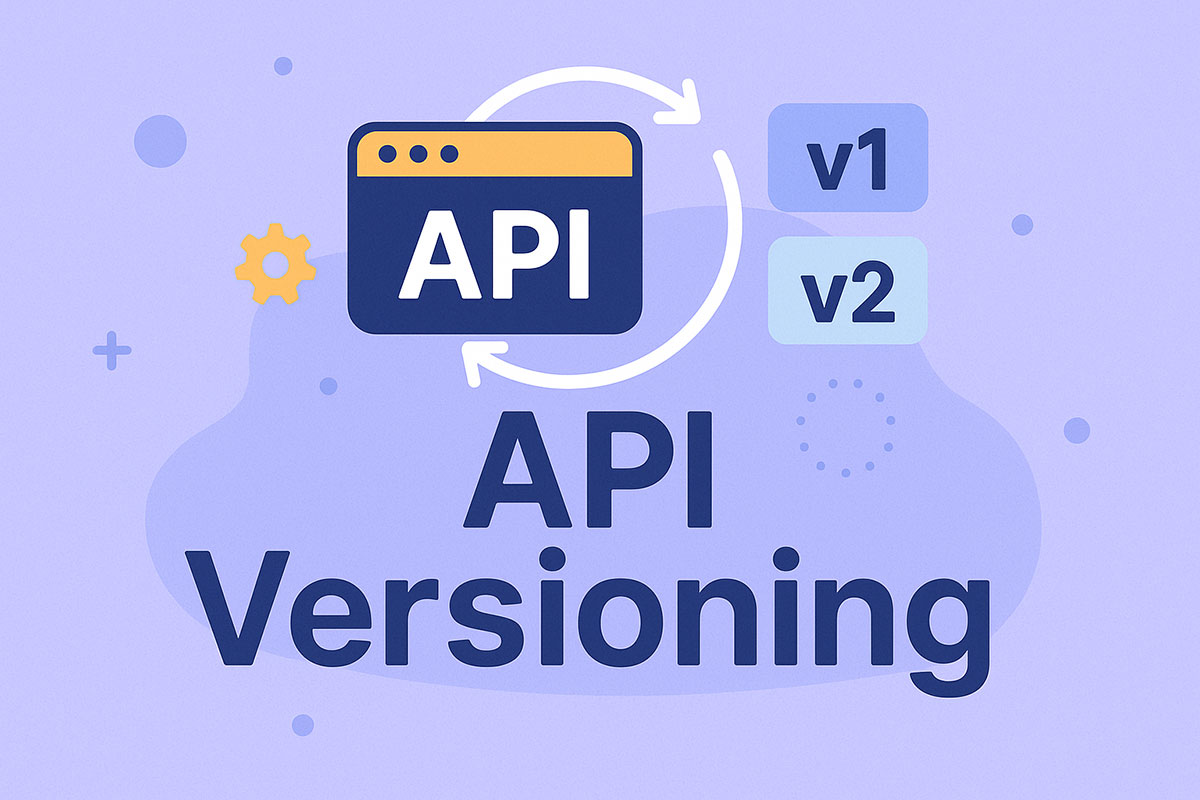
API Versioning and Backward Compatibility
APIs rarely remain unchanged. New product requirements introduce additional fields, updated validation rules, improved resource models, and different response structures. However, mobile applications, third-party integrations, internal services, and customer systems may continue depending on an olde
Jul 14
api
rest-api
api-versioning
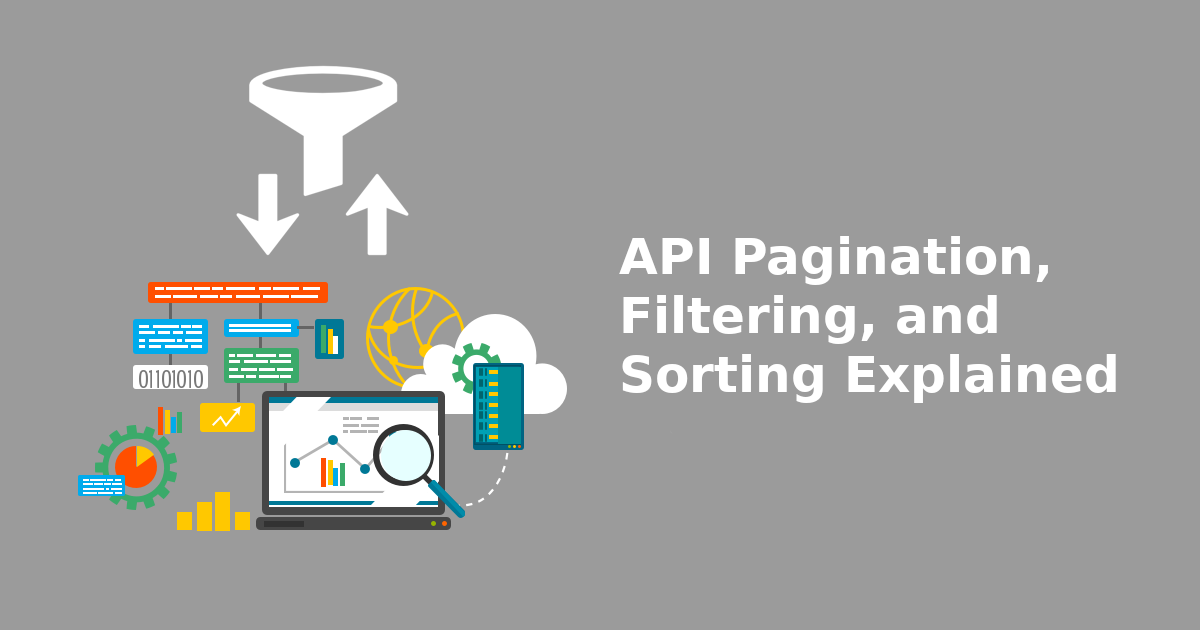
API Pagination, Filtering, and Sorting Explained
API pagination , filtering , and sorting control how clients retrieve large collections without loading every record at once. These features directly affect database performance, response latency, consistency, cache behavior, and the long-term stability of an API contract.
Jul 13
api
rest-api
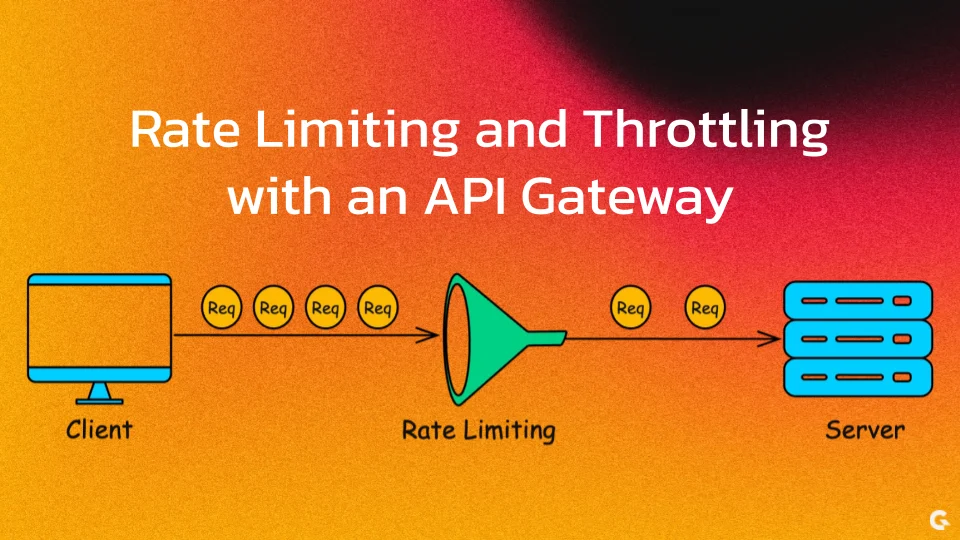
API Rate Limiting and Throttling Explained
API rate limiting controls how many requests a client may send during a defined period. Throttling controls how the system responds when traffic exceeds its allowed rate or the infrastructure approaches capacity.
Jul 12
api
rate-limiting
throttling
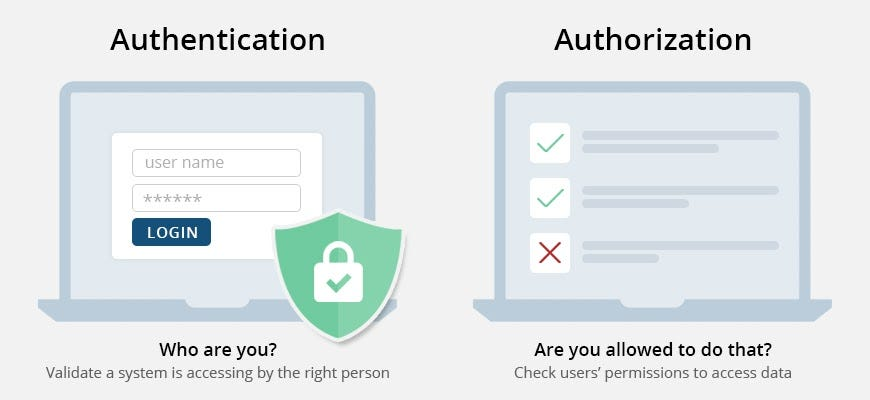
API Authentication and Authorization Explained
API authentication verifies who or what is making a request. API authorization determines what that authenticated identity is allowed to do. They are related security layers, but they solve different problems and should be designed independently.
Jul 11
1
authentication
authorization
api
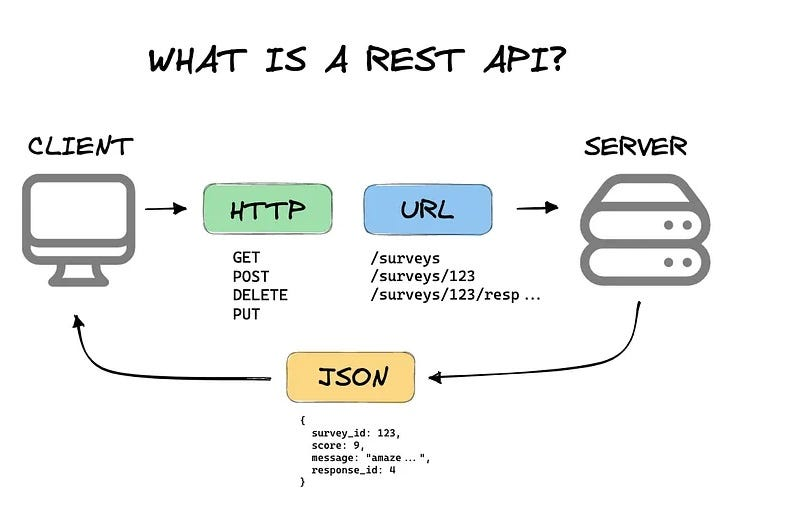
REST API Design for Production Systems
REST remains the most common architectural style for public APIs , mobile backends, SaaS platforms, and microservices. While building a REST API is relatively simple, designing one that remains intuitive, backward compatible, scalable, and maintainable for years requires much more than choosing HTTP
Jul 10
rest-api
api
production
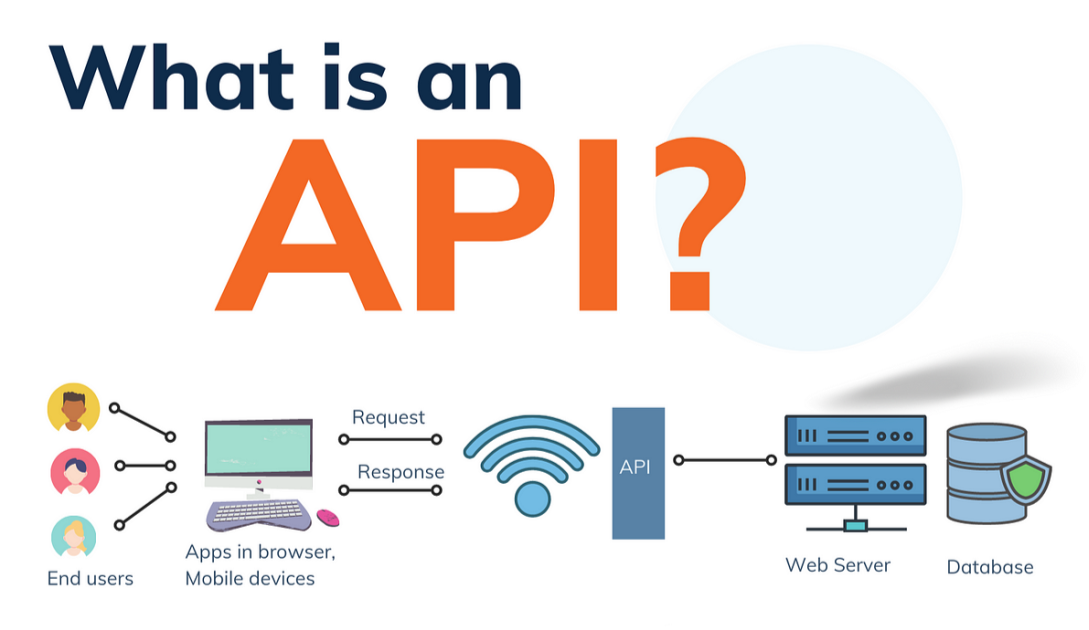
APIs Explained: How Backend Services Communicate
APIs are the contracts that allow backend systems, frontend applications, mobile apps, third-party integrations, and internal services to communicate. A good API hides implementation details while exposing a stable way to request data, trigger actions, and exchange information between systems.
Jul 09
1
api
backend-services
protocols
Amazon ECS Best Practices for Production
Amazon ECS production best practices are less about memorizing service options and more about designing reliable container workloads. A production ECS service needs safe deployments, private networking, least-privilege IAM, useful observability, correct scaling signals, and predictable failure handl
Jul 08
amazon-ecs
best-practices
production
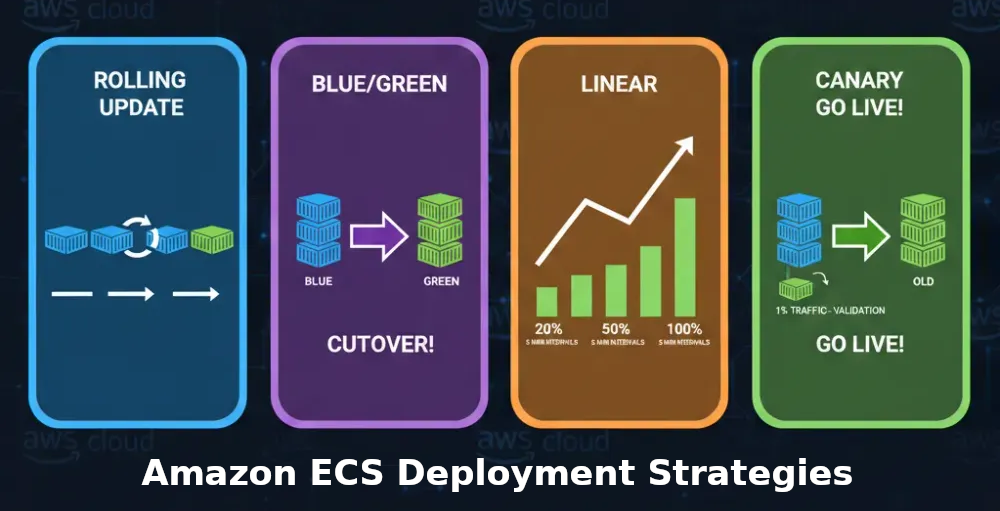
Amazon ECS Deployment Strategies and Auto Scaling
Amazon ECS deployment strategies and auto scaling determine how containerized services change over time. Deployments control how new versions replace old versions, while auto scaling controls how many tasks run as traffic, resource usage, or queue backlog changes.
Jul 07
amazon-ecs
deployments
auto-scaling
Running Production APIs and Background Workers on Amazon ECS
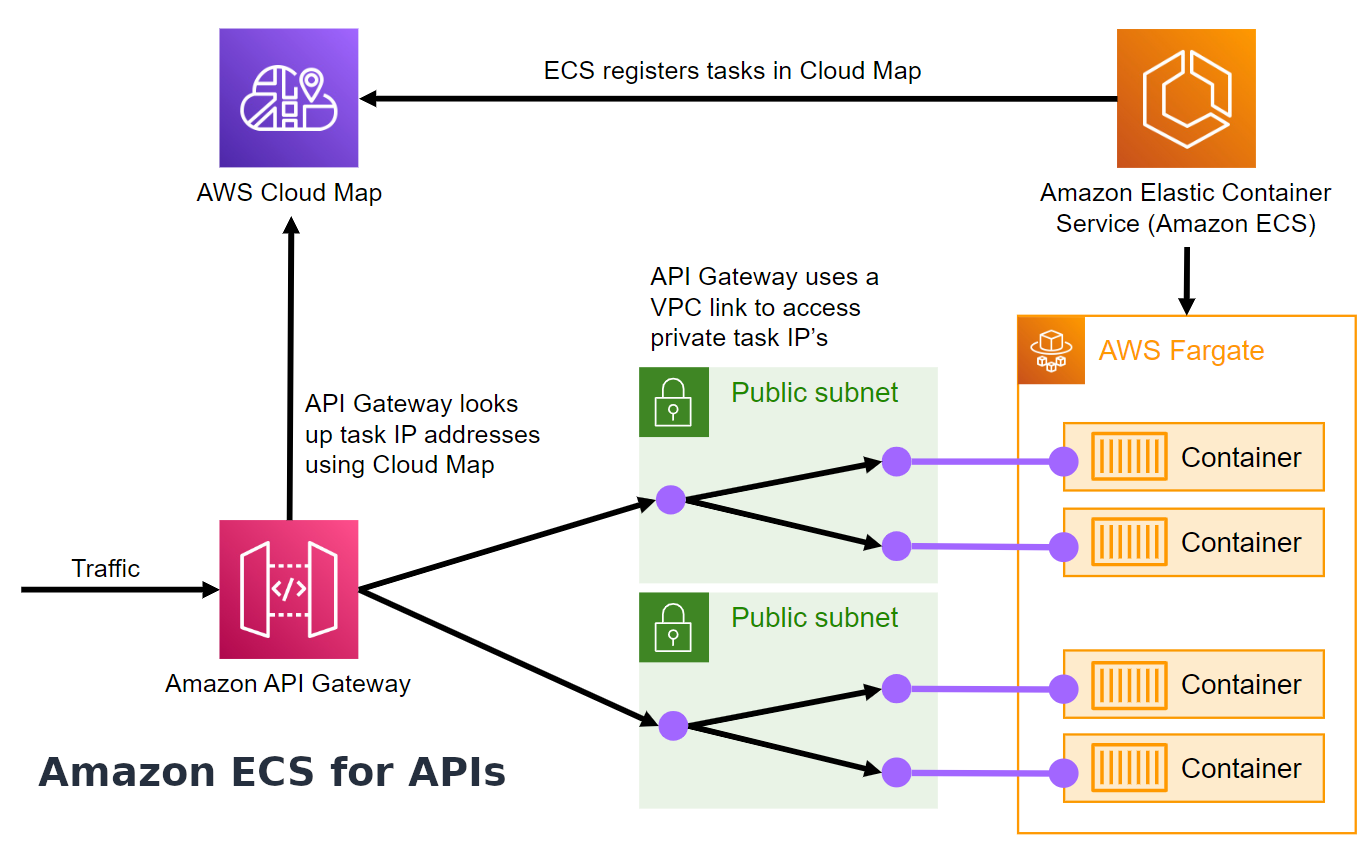
Amazon ECS is often used for two common production workload types: HTTP APIs and background workers . Both run as containers, but they have different traffic patterns, scaling signals, failure modes, and operational requirements.
Jul 06
amazon-ecs
aws
serverless
Amazon ECS Networking Explained: VPC, ALB, Subnets, and Security Groups
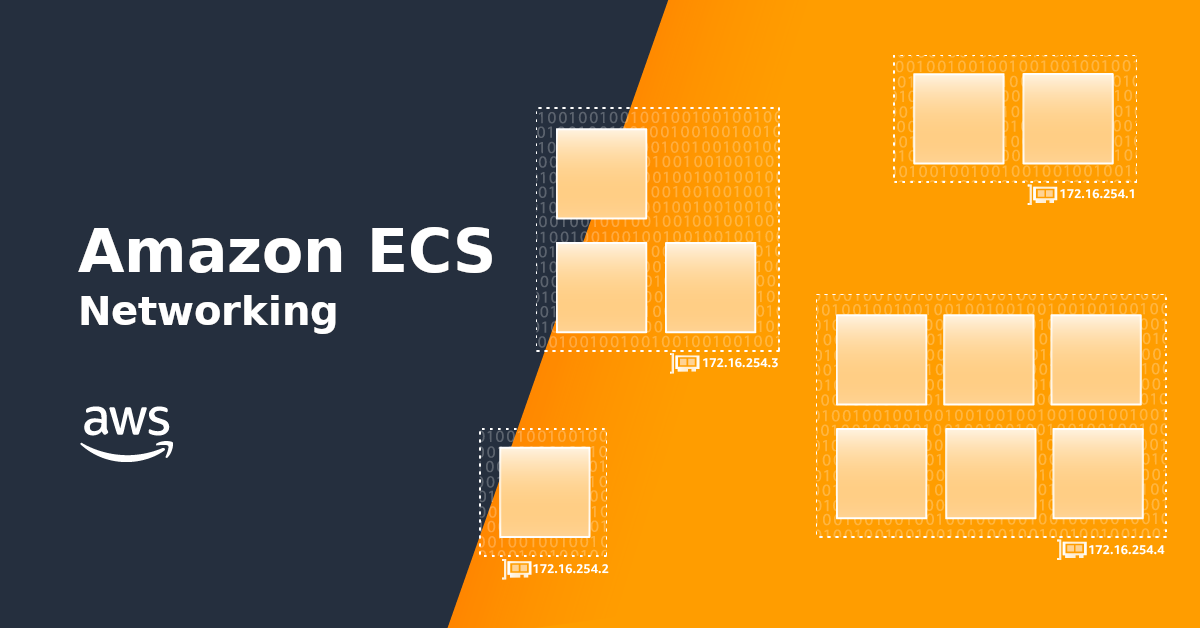
Amazon ECS networking is the architecture layer that controls how containers receive traffic, communicate with dependencies, stay isolated, and remain reachable during deployments. For production ECS services, networking is usually where reliability and security problems appear first.
Jul 05
amazon-ecs
aws
aws-networking
AWS Fargate vs EC2 for ECS: Architecture Trade-Offs
AWS Fargate and the EC2 launch type are two ways to run Amazon ECS tasks. Both use the same ECS concepts: task definitions, tasks, services, deployments, IAM roles, networking, and load balancers. The main difference is who owns the compute layer.
Jul 04
aws-fargate
amazon-ec2
aws
Amazon ECS Task Definitions, Services, and Deployments Explained
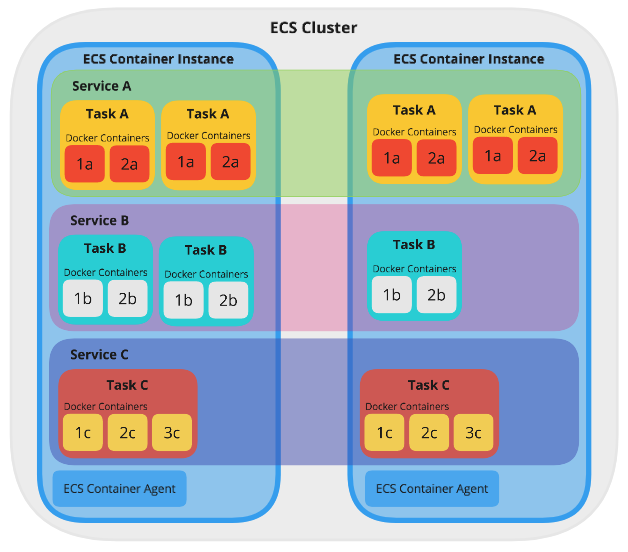
Amazon ECS task definitions , tasks , services , and deployments are the core runtime model behind ECS. A task definition describes how a container should run, a task is a running copy of that definition, a service keeps tasks alive, and a deployment replaces one version with another.
Jul 03
aws
amazon-ecs
containers
Amazon ECS Explained: A Beginner-Friendly Introduction
Amazon Elastic Container Service , usually called Amazon ECS , is a managed container orchestration service for running containerized applications on AWS . It helps turn Docker images into production workloads by handling task scheduling, service stability, deployments, networking integration, scali
Jul 02
aws
amazon-ecs
containers
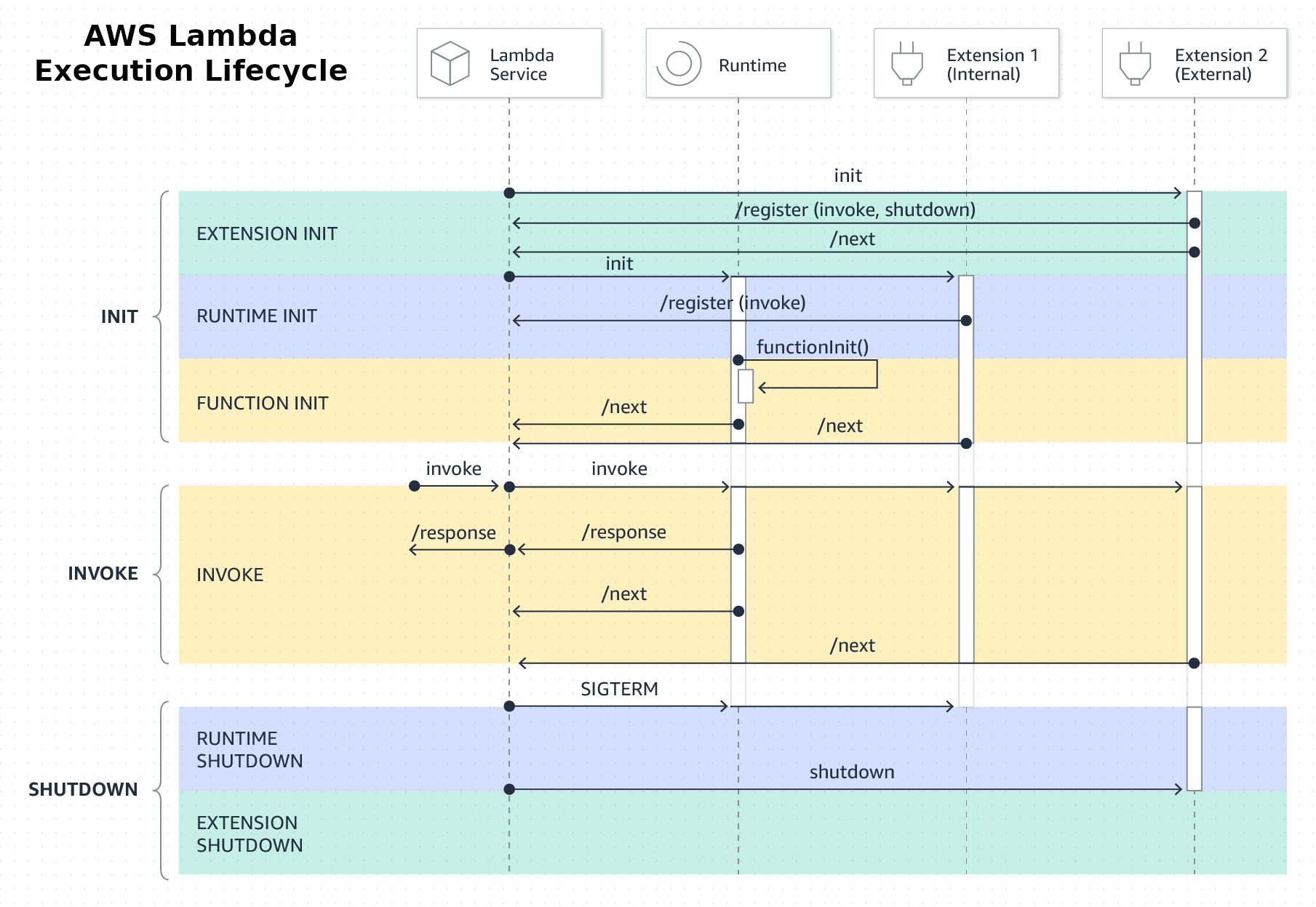
AWS Lambda Execution Lifecycle Explained
AWS Lambda execution lifecycle explains what happens from the moment a Lambda function is invoked until the function finishes and the execution environment is either reused or removed. Understanding this lifecycle helps explain cold starts , warm starts , global variable reuse , SDK client reuse , d
Jul 01
aws-lambda
serverless
aws
AWS Lambda Cold Starts Explained
AWS Lambda cold starts are one of the most discussed topics in serverless architecture. A cold start happens when AWS Lambda needs to create a new execution environment before running your function. This extra initialization time can increase latency, especially for user-facing APIs.
Jun 30
aws-lambda
serverless
cloud-computing
AWS Lambda Concurrency and Scaling
AWS Lambda concurrency is one of the most important concepts to understand before running serverless applications in production. Lambda can scale quickly, but that does not mean every downstream system can handle unlimited parallel requests.
Jun 30
1
aws-lambda
concurrency
scalability
AWS Lambda Best Practices for Production
AWS Lambda is easy to start with, but production Lambda systems require more than writing a handler function. You need to think about idempotency , retries , timeouts , IAM permissions , database connections , observability , deployment strategy , and downstream limits .
Jun 28
aws-lambda
serverless
best-practices
AWS Lambda Performance Optimization
AWS Lambda performance optimization is not only about cold starts. A slow Lambda function can be caused by heavy dependencies, poor memory configuration, slow network calls, database connection problems, inefficient batch settings, or downstream systems that cannot handle Lambda concurrency.
Jun 27
aws-lambda
serverless
performance-optimization
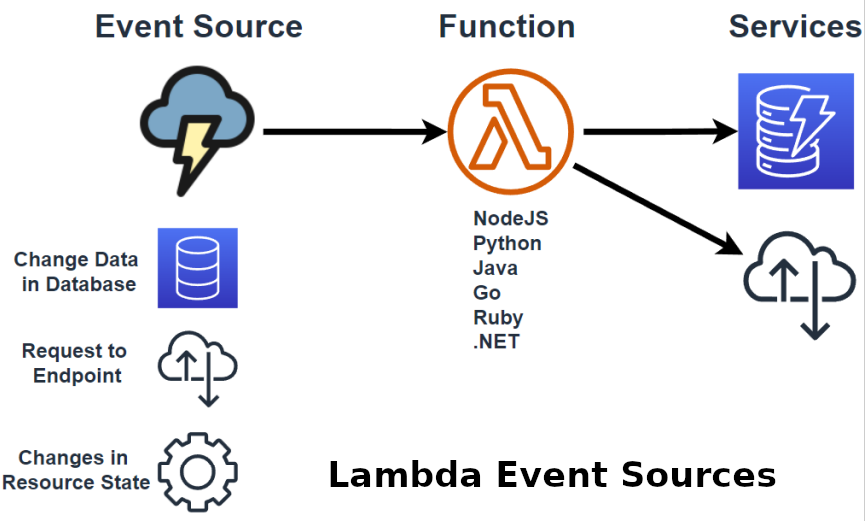
AWS Lambda Event Sources Explained
AWS Lambda is event-driven by design. A Lambda function usually does not run by itself. It runs because something invokes it: an HTTP request, uploaded file, queue message, database stream record, schedule, or event from another AWS service.
Jun 27
aws-lambda
serverless
event-source
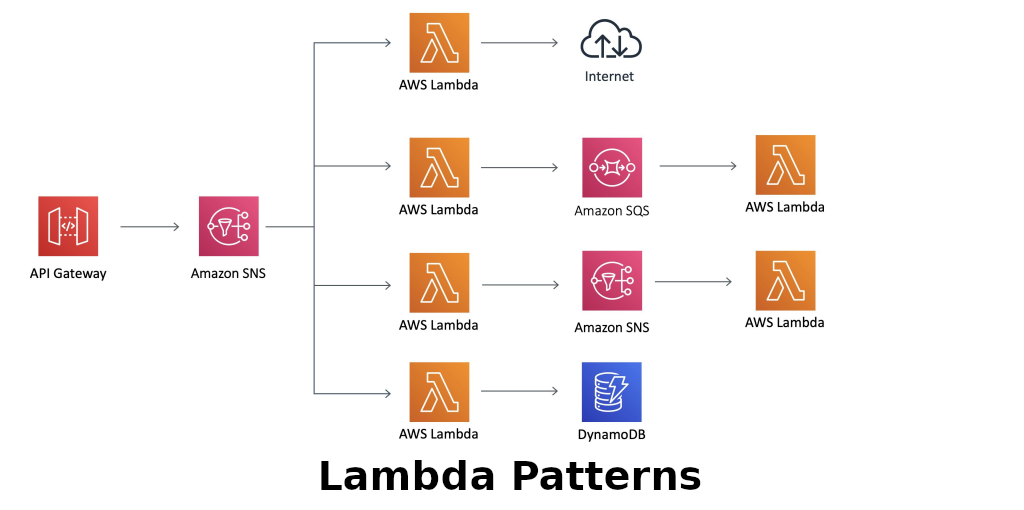
AWS Lambda Architecture Patterns
AWS Lambda is often introduced as a simple way to run code without managing servers. But in real production systems, Lambda is rarely used alone. It usually becomes part of a larger architecture with API Gateway , SQS , SNS , EventBridge , DynamoDB , S3 , Step Functions , and other AWS services.
Jun 26
1
aws-lambda
serverless
cloud-computing
Load more
Filter posts
Show:
Latest first
Popular first
Filter by tags:
Search